Introduction
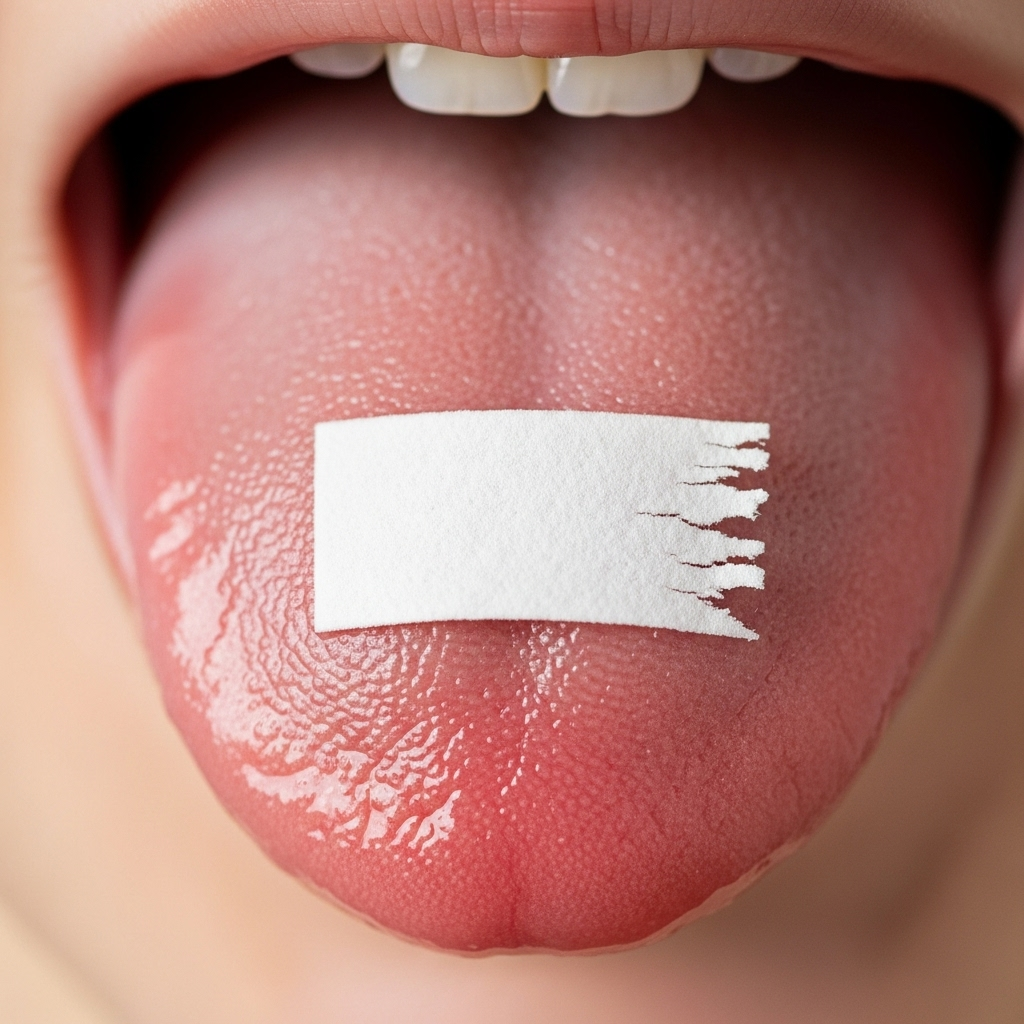
Have you ever wished for an easier way to take medication than swallowing a bulky pill? Orally disintegrating films (ODFs) are here to answer that call. These are thin, flexible strips that you place in your mouth, where they dissolve in seconds. As a modern approach to drug delivery, ODFs release their active ingredients directly into the oral cavity. This innovative technology is gaining popularity for its remarkable convenience and effectiveness, changing how we think about taking both medicines and supplements.
Top 10 Benefits of Orally Disintegrating Films Today
Orally disintegrating films are revolutionizing medicine with their unique advantages over traditional dosage forms. Their primary appeal lies in their incredible ease of administration, making them a patient-friendly choice for a modern drug delivery system. Instead of dealing with pills or liquids, you simply use a small film that dissolves on its own.
This novel approach via the oral route offers a host of benefits, from faster relief to better safety for certain individuals. Let’s explore the top ten reasons why these films are becoming a preferred choice for patients and healthcare providers alike.
1. Rapid Onset of Action
One of the most significant advantages of orally disintegrating films is their ability to provide a rapid onset of action. How do they achieve this? When you place a film in your mouth, it comes into contact with saliva and begins to dissolve almost instantly, typically within seconds.
This quick disintegration facilitates an immediate drug release. Unlike traditional tablets that must travel to the stomach and dissolve before being absorbed, the medication in an ODF can be absorbed directly through the rich blood supply in your oral mucosa, including the buccal and sublingual areas.
This direct path allows the active ingredients to enter your systemic circulation much faster. As a result, this method of oral drug delivery can provide quicker therapeutic effects, which is especially crucial for conditions requiring prompt relief, such as pain, allergies, or nausea.
2. Improved Patient Compliance
Sticking to a medication schedule can be challenging, but orally disintegrating films make it much simpler, leading to improved patient compliance. A major hurdle with conventional pills is the difficulty some people have swallowing them, a condition known as dysphagia. This is particularly common among pediatric patients and elderly patients.
The remarkable ease of administration offered by orodispersible films overcomes this barrier. Since there’s no pill to swallow, the experience is less stressful and more pleasant. This is a game-changer for parents trying to give medicine to children and for caregivers assisting older adults with complex medication regimens.
According to a review in the Saudi Pharmaceutical Journal, ODFs are considered a “modern expansion in drug delivery” precisely because they are so patient-friendly. [1] By eliminating the physical act of swallowing a pill, these films help ensure that patients take their medication as prescribed, improving treatment outcomes.
3. Convenience Without Need for Water
The convenience of oral thin films is unmatched, primarily because they don’t require water for drug administration. This key difference sets them apart from traditional dosage forms like tablets and capsules, which you almost always need to swallow with a liquid. An ODF dissolves quickly in the oral cavity using just your saliva.
This feature offers incredible flexibility and ease of use, allowing you to take your medication anytime, anywhere. Imagine being able to take your dose discreetly and efficiently, no matter your situation. The portability and simplicity make them an ideal choice for a busy, on-the-go lifestyle.
This is especially helpful in various scenarios, such as:
- When traveling or in transit with no immediate access to water.
- For patients with fluid restrictions due to medical conditions.
- In emergency situations where quick administration is needed.
- For individuals who have a physical disability that makes drinking difficult.
4. Ideal for Pediatric and Geriatric Patients
Orally disintegrating films are particularly well-suited for pediatric and elderly patients, two groups that often struggle with conventional oral dosage forms. For children, the fear or inability to swallow pills can make medicine time a daily battle. These films transform the experience by eliminating the need to swallow, improving patient compliance.
Similarly, many elderly patients suffer from dysphagia (swallowing difficulties), which can make taking multiple medications a dangerous and uncomfortable task. The use of the oral route with a dissolving film significantly reduces the risk of choking, offering a much safer alternative. The pleasant taste often incorporated into these films is an added bonus for both age groups.
Because they are so easy to administer and inherently safer than pills for those with swallowing issues, ODFs are considered an excellent formulation choice. They help ensure that both the youngest and oldest patients receive their necessary treatments without the stress and risk associated with traditional tablets.
5. Enhanced Bioavailability
A key benefit of orally disintegrating films is their potential to enhance drug bioavailability. Bioavailability refers to the proportion of a drug that enters the bloodstream and is able to have an active effect. When you swallow a pill, it goes through the gastrointestinal tract and is metabolized by the liver in a process called “first-pass metabolism,” which can significantly reduce the amount of active ingredients that reach your system.
Oral films offer a way around this. Because the drug release happens in the mouth, a portion of the medication can be absorbed directly through the oral mucosa—the lining of your mouth and cheeks. This tissue is rich with blood vessels, providing a direct route into the bloodstream.
By bypassing the harsh environment of the stomach and the metabolic processes of the liver, more of the active ingredients can reach their target. This enhanced bioavailability can lead to a more effective and efficient therapeutic outcome, sometimes even allowing for a lower dose of the drug to be used.
6. Precise Dosage and Uniformity
Ensuring you get the right amount of medication every time is critical for effective treatment, and orally disintegrating films excel at providing precise dosage and uniformity. Unlike liquid dosage forms that require careful measurement or tablets that can be difficult to split accurately, each film is manufactured to contain a specific, uniform amount of the active pharmaceutical ingredients.
How is this dosage accuracy achieved? During the manufacturing process, the ingredients are evenly distributed throughout the polymer matrix before being formed into a thin sheet. This sheet is then cut into individual doses, with each film strip having the same concentration of medication. This process ensures excellent content uniformity across the entire batch.
This level of precision gives both patients and healthcare providers confidence that the correct dose is being administered every single time. It eliminates the guesswork and potential for error associated with other dosage forms, contributing to safer and more reliable treatment outcomes.
7. Reduced Risk of Choking and Swallowing Difficulties
For patients with swallowing difficulties, known as dysphagia, taking medication can be a source of significant anxiety and risk. Traditional pills can get stuck in the throat, posing a serious choking hazard. Orally disintegrating films directly address this problem, offering a major advantage in safety and ease of administration.
These innovative pharmaceutical products don’t need to be swallowed whole. Instead, they are designed to disintegrate rapidly upon contact with saliva in the mouth. This simple mechanism completely removes the physical barrier of swallowing a solid object, thus minimizing the risk of choking.
This feature is a lifeline for individuals with conditions that affect their ability to swallow, such as stroke survivors, patients with neurological disorders, and those undergoing palliative care. The improved safety and comfort lead to better patient compliance, as the fear associated with taking medication is eliminated, making this form of oral drug delivery a superior choice.
8. Suitable for Both Medicines and Nutraceuticals
The versatility of the orally disintegrating film as a drug delivery system is one of its most compelling attributes. This technology isn’t limited to just prescription medications; its application extends broadly across the fields of pharmaceutical sciences, wellness, and nutrition. The benefits of easy, water-free administration and pleasant taste make it an ideal platform for a wide range of products.
You can find this technology being used for both potent pharmaceutical drugs and everyday health products. This flexibility allows manufacturers to deliver active ingredients of all kinds in a more consumer-friendly format, expanding its reach from the pharmacy to the health food store.
This makes ODFs suitable for:
- Prescription and over-the-counter (OTC) medicines
- Nutraceuticals and dietary supplements
- Vitamins and minerals, such as Vitamin C
9. Masking of Unpleasant Tastes
Many active pharmaceutical ingredients have a naturally bitter taste, which can make taking medication an unpleasant experience, especially for children. Orally disintegrating films are expertly designed to overcome this challenge through effective taste masking, transforming a bitter pill into a pleasant-tasting treat.
During formulation, various excipients are incorporated into the oral films to hide the undesirable taste of the drug. As the film dissolves in the mouth, these agents work to create a more palatable experience, which is a key factor in improving patient adherence. A pleasant taste can make all the difference in ensuring a medication regimen is followed correctly.
Common taste-masking agents used in these films include:
- Sweeteners: Ingredients like sorbitol, sucralose, or xylitol are added to provide sweetness.
- Flavoring agents: Natural or artificial flavors, such as mint or fruit, help create a pleasant taste and aroma.
10. Portable and Discreet Administration
In today’s fast-paced world, convenience is key. Orally disintegrating films offer the ultimate solution for portable and discreet administration of medication. Due to their minimal film thickness and lightweight nature, these films are packaged in small, individual pouches that can easily fit into a wallet, purse, or pocket. This means you can carry your dose with you without the bulk of a pill bottle.
This novel approach to the oral route makes taking medication on the go incredibly easy. You don’t need to find water or draw attention to yourself by swallowing a pill. You can simply place the film in your mouth, and it will dissolve in seconds, allowing for a quick and private administration wherever you are.
This level of discretion and portability is ideal for people with active lifestyles, frequent travelers, or anyone who needs to take medication during their workday without interruption. It empowers you to manage your health seamlessly, integrating treatment into your daily routine without any hassle.
Key Applications of Orally Disintegrating Films in India
The application of orally disintegrating films is expanding rapidly across India’s pharmaceutical industry and beyond. This versatile oral drug delivery technology is being embraced for a wide range of pharmaceutical applications, from treating acute conditions to providing daily nutritional support. Its patient-friendly nature makes it a valuable tool in modern medicine.
The benefits have led to its adoption in prescription drugs, over-the-counter remedies, and even the booming market for nutraceuticals and dietary supplements. Below, we’ll explore some of the key areas where these innovative films are making a significant impact.
Pharmaceutical Drug Delivery
In recent years, the landscape of drug delivery has greatly evolved, making pharmaceutical products more accessible and effective. Orally disintegrating films (ODFs) represent a novel approach in oral drug delivery systems. Their design allows for rapid dissolution on the oral mucosa, promoting quick absorption of active pharmaceutical ingredients into systemic circulation. This method enhances patient compliance, especially among pediatric and elderly patients who may struggle with traditional dosage forms. By utilizing thin films with a large surface area, ODFs as a flexible delivery system increase the ease of administration and can mask unpleasant tastes, making medication a more pleasant experience.
Over-the-Counter Medications
Over-the-counter medications greatly benefit from the incorporation of orally disintegrating films due to their convenience and ease of use. These thin films can dissolve quickly when placed on the tongue, allowing for rapid drug release and absorption through the oral mucosa. Patients, especially the elderly and children, appreciate the pleasant taste and ease of administration, which encourages compliance and adherence to their treatment plans. This novel drug delivery system enhances the effectiveness of various active ingredients, making it an attractive option for a wide range of OTC pharmaceutical products and formulations.
Nutraceutical and Dietary Supplements
Nutraceuticals and dietary supplements benefit immensely from the innovative design of orally disintegrating films. These formulations allow for efficient drug delivery through the oral mucosa, ensuring that active ingredients are absorbed quickly into the bloodstream. This method enhances patient compliance, especially for those who struggle with traditional tablets. The pleasant taste and rapid disintegration of these films make them appealing for various supplements, including vitamins and minerals. By utilizing excipients like hydroxypropyl methylcellulose, manufacturers can create films that not only dissolve swiftly but also stabilize essential nutrients, providing an enjoyable and effective way to promote wellness.
Veterinary Medicine Usage
In veterinary medicine, orally disintegrating films serve as a convenient method for administering medications to animals. These fast dissolving films can smoothly dissolve in the oral cavity, making them ideal for pets that may resist traditional dosing methods. With a well-designed drug delivery system, pet owners can ensure accurate dosages and enhance treatment compliance. The films can also mask unpleasant tastes, making the experience more pleasant for furry companions. Overall, integrating oral disintegrating films in veterinary practices offers a novel approach to improve drug administration in various animal species.
Pediatric Formulations
Designing pediatric formulations using orally disintegrating films offers a novel and effective approach to enhance medication adherence in younger patients. These films can dissolve quickly in the oral cavity, minimizing the need for water and simplifying drug administration for children who may have difficulty swallowing traditional tablets or capsules. Moreover, the pleasant taste and rapid disintegration ensure a positive experience, promoting better patient compliance. Additionally, the versatility of these films allows for tailored dosages, accommodating various medical needs. Active pharmaceutical ingredients can be precisely integrated, ensuring accurate dosing that is both safe and effective for pediatric patients.
Geriatric and Palliative Care
The convenience of orally disintegrating films significantly benefits geriatric and palliative care patients. With an ease of administration, these films dissolve quickly in the mouth, ensuring that active pharmaceutical ingredients are absorbed effectively without the need for water, which some patients may find challenging. This delivery system also enhances patient compliance, particularly for those with swallowing difficulties. The gentle and pleasant taste can improve the overall experience, making medication more approachable. In addition, the rapid dissolution of these films supports timely relief for symptoms, an essential aspect in palliative care settings.
Common Ingredients Used in Orally Disintegrating Films
The magic of an orally disintegrating film lies in its carefully selected ingredients. At its core, a film consists of the active ingredients—the medicine or supplement—embedded within a matrix made of film-forming polymers. These polymers give the film its structure while also allowing it to dissolve quickly.
To perfect the film’s performance and make it patient-friendly, several other components are added. These include plasticizers for flexibility, as well as sweeteners and flavoring agents for a pleasant taste. Disintegrants are also included to speed up dissolution. Let’s look at these key ingredients more closely.
Film-Forming Polymers
Various film-forming polymers play a crucial role in the creation of orally disintegrating films. These polymers, such as hydroxypropyl methylcellulose, contribute to the rapid disintegration and enhance the drug delivery system’s effectiveness. They help to form a thin, flexible film that encompasses the active pharmaceutical ingredients, facilitating quick dissolution in the oral cavity. The choice and quality of these polymers directly influence the mechanical properties, including tensile strength and elasticity. Such attributes ensure optimal stability and adequate drug release, making them vital in pharmaceutical applications that prioritize patient compliance and ease of use.
Plasticizers and Their Role
Plasticizers play a vital role in the formulation of orally disintegrating films, enhancing the flexibility and durability of the final product. By lowering the glass transition temperature, these agents improve the mechanical properties, which is essential for ensuring integrity during handling and usage. Their presence also aids in the rapid dissolution of the film, making it easier for active ingredients to be released and absorbed through the oral mucosa. This promotes patient compliance, particularly among pediatric and elderly patients, who may have difficulty swallowing standard dosage forms.
Sweeteners and Flavoring Agents
A selection of sweeteners and flavoring agents plays a crucial role in enhancing the palatability of orally disintegrating films. These additions not only mask any unpleasant tastes of active pharmaceutical ingredients but also ensure a pleasant experience for users. Commonly used sweeteners include sucralose and aspartame, which contribute to the overall acceptance of the dosage form, particularly for pediatric and elderly patients. Flavoring agents like mint, cherry, and vanilla can further improve compliance by making medication more enjoyable to take, fostering better adherence to treatment regimens among patients.
Disintegrants for Rapid Dissolution
Disintegrants play a crucial role in the formulation of orally disintegrating films, ensuring rapid dissolution in the oral cavity. These agents enhance the rate at which the film breaks apart, allowing active pharmaceutical ingredients to be released quickly for effective drug delivery. Utilizing substances like sodium starch glycolate or crospovidone not only aids in creating a pleasant taste but also promotes patient compliance, particularly among pediatric and elderly patients. By facilitating swift disintegration, these disintegrants ensure that essential medications provide the desired effect without delay.
Coloring Agents and Stabilizers
Incorporating coloring agents and stabilizers significantly enhances the appeal and stability of orally disintegrating films. These elements not only improve the visual aesthetics, making them more attractive to patients, but they also play a crucial role in the product’s overall integrity. Stabilizers help maintain the film’s mechanical properties and resistance to moisture, ensuring a consistent dosage delivery over time. Furthermore, effective coloring agents can mask unpleasant flavors, providing a better taste experience. This combination of functionality and sensory enjoyment improves patient compliance, making it easier for individuals of all ages to adhere to prescribed pharmaceutical products.
Manufacturing Processes of Orally Disintegrating Films
Creating a product as precise as an orally disintegrating film requires a sophisticated manufacturing process. There are several techniques used in the pharmaceutical industry to produce these thin, uniform films, each with its own set of advantages. The goal is always to create a product with consistent dosage and quality.
The two most common methods are the solvent casting method and hot-melt extrusion. Other techniques, like semi-solid casting and advanced printing methods, are also gaining traction. Let’s take a closer look at how these processes work to turn a liquid or solid mixture into a finished film.
Solvent Casting Method
The solvent casting method is a crucial technique in creating orally disintegrating films. This approach involves dissolving film-forming polymers like hydroxypropyl methylcellulose in a suitable solvent, allowing for an evenly dispersed solution. The resulting mixture can then be spread over a flat surface to form a thin layer, yielding films with a large surface area, essential for rapid drug release. Once dried, these biocompatible polymer films exhibit desirable mechanical properties and tensile strength, ensuring they can effectively dissolve in the oral cavity. This method also offers flexibility in customizing thickness and drug concentration for improved patient compliance.
Hot-Melt Extrusion Technique
This innovative method transforms solid materials into oral disintegrating films through heating and mixing. By applying heat, polymers like hydroxypropyl methylcellulose are melted, allowing for the homogenous distribution of active pharmaceutical ingredients. The result is an easily manufacturable film that offers rapid disintegration in the oral cavity, enhancing patient compliance. Using the hot-melt extrusion technique also promotes a large surface area for improved drug release. This novel drug delivery system helps in creating fast dissolving drug delivery systems, making medications more accessible for patients of all ages, including pediatric and elderly cohorts.
Semi-Solid Casting Process
A unique approach in creating orally disintegrating films involves the semi-solid casting process. This method allows for easier handling of the viscous mixture, ensuring that active pharmaceutical ingredients are uniformly distributed throughout the film. By controlling the film thickness during production, consistency in drug delivery is achieved, which is vital for patient compliance. The semi-solid state also supports rapid disintegration once in the oral cavity, promoting quick absorption of the active ingredients into systemic circulation. This technique balances manufacturing efficiency with quality, making it a valuable option within contemporary pharmaceutical applications.
Printing and Advanced Fabrication Methods
Innovative printing and advanced fabrication methods have transformed the landscape of orally disintegrating films. Techniques like inkjet and 3D printing allow for precise placement of active pharmaceutical ingredients, ensuring consistent dosages and enhanced bioavailability. These methods leverage cutting-edge technologies to create films with tailored thickness and mechanical properties, catering to different patient needs. The flexibility offered by these fabrication techniques enables pharmaceutical companies to explore novel compositions and formulations. This leap in technology not only supports rapid drug release but also enhances patient compliance and satisfaction, making medications easier to take, especially for those with difficulty swallowing.
Quality Control and Evaluation of Orally Disintegrating Films
To ensure that orally disintegrating films are safe, effective, and reliable, they must undergo a series of rigorous quality control tests. These evaluations are designed to check every aspect of the film, from its physical characteristics to its chemical stability. Key parameters tested include mechanical properties, film thickness, disintegration time, and dosage accuracy.
These tests are critical to guarantee that every film in a batch meets the high standards required for pharmaceutical products. Proper quality control ensures that the product you receive will perform as expected every time. Let’s examine some of the most important tests performed on these films.
Mechanical Properties and Strength Testing
Evaluating the mechanical properties of orally disintegrating films is crucial for ensuring their performance and reliability. Parameters like tensile strength and elasticity determine how well the film can withstand handling and packaging without breaking. Strength testing also assesses the film’s durability under various conditions, including relative humidity and temperature fluctuations. A well-formulated film should demonstrate optimal mechanical characteristics to support effective drug release upon administration. Utilizing innovative materials, such as hydroxypropyl methylcellulose, enhances both the strength and flexibility of these films, ultimately benefiting patient compliance and the overall drug delivery experience.
Disintegration and Dissolution Testing
Understanding disintegration and dissolution testing is vital for the development of orally disintegrating films. These tests help to ensure that the dosage forms break down quickly in the oral cavity, allowing active pharmaceutical ingredients to be released efficiently into the systemic circulation. Parameters such as film thickness, dissolution medium, and mechanical properties play important roles in determining how rapidly these films dissolve. Ensuring rapid disintegration is essential for improving patient compliance, especially when targeting pediatric and elderly populations who may struggle with traditional dosage forms. Such testing is a cornerstone of quality control in pharmaceutical applications.
Content Uniformity and Dosage Accuracy
Ensuring consistency in content uniformity is vital for the effectiveness of orally disintegrating films. Each film must deliver a precise amount of active pharmaceutical ingredients, ensuring that patients receive the correct dosage. This accuracy enhances the reliability of drug administration, thus improving patient compliance and treatment outcomes. Advanced manufacturing techniques like hot-melt extrusion and solvent casting play a critical role in achieving this precision. By maintaining stringent testing on each batch, manufacturers can guarantee that every film dissolves consistently, resulting in an optimal release of medication into the oral cavity, which is key for effective drug delivery.
Stability and Storage Assessments
Evaluating the stability and storage conditions of orally disintegrating films is essential for ensuring their efficacy and shelf life. These films should be stored in controlled environments that maintain optimal humidity and temperature to preserve their mechanical properties and drug integrity. Proper packaging not only protects against moisture but also guards against light and temperature fluctuations, which can degrade active pharmaceutical ingredients. Regular assessments, including visual inspections and potency testing, can help detect any deteriorations in performance. Adhering to these guidelines guarantees the films maintain their rapid dissolution and overall effectiveness over time.
Recent Advancements and Future Trends in Orally Disintegrating Films
The world of orally disintegrating films is constantly evolving, with exciting advancements on the horizon. In recent years, researchers have been pushing the boundaries of what this technology can do, moving beyond simple drug delivery to create more sophisticated and effective solutions.
Future trends are focused on making films smarter, more efficient, and more tailored to individual needs. Innovations in areas like nanotechnology, personalized medicine, and smart packaging are set to transform the field. Let’s explore how these cutting-edge developments are shaping the future of oral films.
Nanotechnology Integration
Innovative strategies in drug delivery systems increasingly leverage nanotechnology to enhance orally disintegrating films. By incorporating nanoparticles, these films can improve the bioavailability of active pharmaceutical ingredients, ensuring more efficient absorption through oral mucosa. This integration results in a larger surface area for drug release, which enhances patient compliance and ease of administration. Moreover, nanotechnology optimizes the mechanical properties of the films, providing better stability and a pleasant taste. As a result, patients, including those in pediatric and geriatric populations, benefit from faster disintegration and a more enjoyable experience with their medications.
Personalized Medicine Solutions
Orally disintegrating films are paving the way for personalized medicine solutions, allowing healthcare providers to tailor treatments based on individual patient needs. This innovative drug delivery system enhances patient compliance by offering a convenient and palatable dosage form. The rapid disintegration of these films ensures that active pharmaceutical ingredients are delivered effectively, promoting optimal therapeutic outcomes. With advancements in film technology, formulations can now be adjusted to match the unique characteristics of each patient, including age and specific health conditions. This customization not only improves the overall medication experience but also supports better management of chronic diseases.
Smart Packaging and Storage Innovations
Innovations in smart packaging are transforming the landscape of orally disintegrating films. These advancements enhance the stability and shelf-life of pharmaceutical products by integrating features such as humidity control and temperature sensors. This ensures the active pharmaceutical ingredients remain effective over time, catering to patient compliance and safety. Additionally, interactive packaging can provide dosage reminders or instructions through QR codes, facilitating easier access to information. As a result, storage solutions are becoming more effective, promoting the benefits of fast dissolving drug delivery systems to a wider audience while maintaining optimal conditions for pharmaceuticals.
Conclusion
In conclusion, orally disintegrating films are revolutionizing the way medications and supplements are delivered. With their rapid onset of action and improved patient compliance, these films cater to a wide range of users, from pediatric to geriatric patients. Their convenience—eliminating the need for water and reducing choking risks—makes them an appealing choice for many. As the industry continues to evolve with advancements like nanotechnology and personalized medicine, the potential applications for these films are expanding. If you’re interested in exploring how orally disintegrating films can enhance your health regimen, don’t hesitate to get in touch for a free consultation.
Frequently Asked Questions
Are orally disintegrating films safe for children and elderly patients?
Yes, they are generally considered very safe and are ideal for pediatric and elderly patients. Their main safety benefit is the reduced risk of choking, as they dissolve on the oral mucosa without needing to be swallowed. This ease of administration dramatically improves patient compliance and makes giving medication a much safer, stress-free experience.
Can orally disintegrating films replace traditional tablets completely?
While ODFs are a superior drug delivery system for many situations, they are unlikely to replace tablets completely. Their drug-loading capacity is limited, making them less suitable for high-dose medications. The best oral dosage form depends on the drug’s properties and patient needs, so both will likely continue to coexist in the pharmaceutical industry.
How should orally disintegrating films be stored in the Indian climate?
Given the high temperatures and relative humidity common in the Indian climate, proper storage is vital to maintain the stability of these pharmaceutical products. You should keep the films in their original, moisture-proof packaging until use. Store them in a cool, dry place away from direct sunlight to prevent them from becoming sticky or degrading.